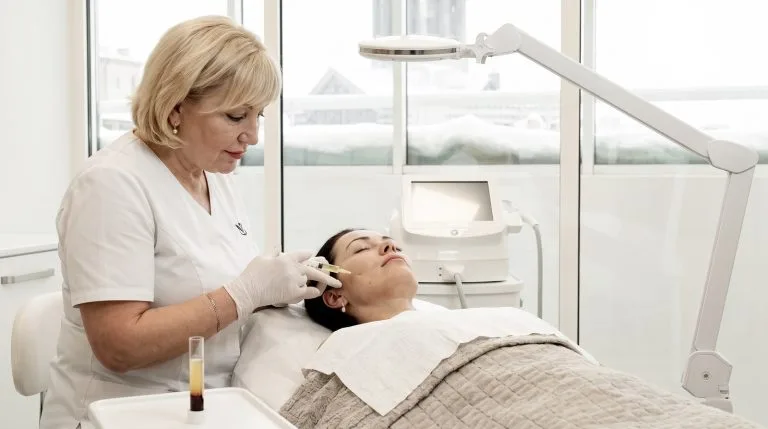
Plasma therapy
Plasma therapy, or PRP, is an injectable treatment that uses platelet-rich plasma prepared from the patient's own blood. At Melior Clinics in Tallinn, PRP is offered for the face, neck and décolleté, the eye area, the scalp, scars and acne, the intimate area, and joint and muscle pain. PlasmaLifting with plasma gel is also available.
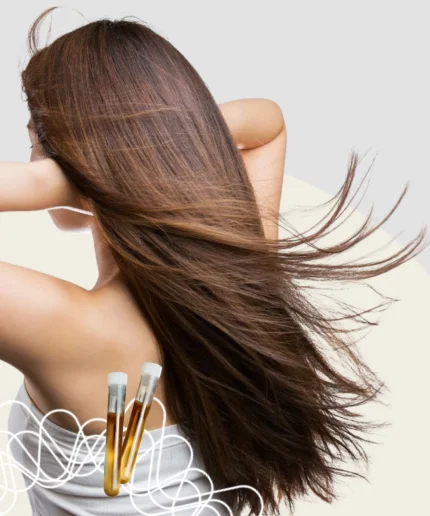
Plasma therapy for hair
195,00 €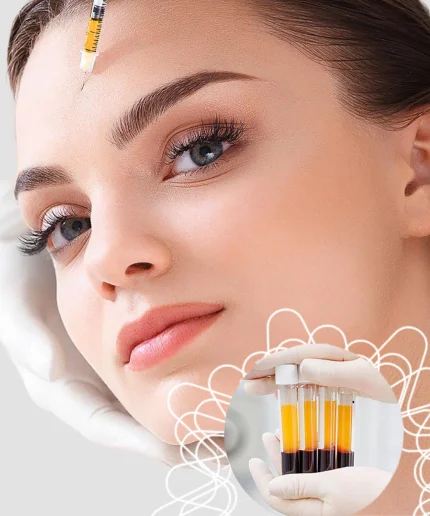
Plasma therapy
Price range: 125,00 € through 300,00 €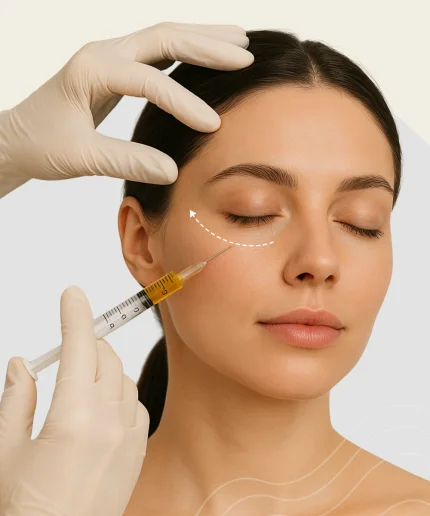
PRP RICH Eye Therapy
150,00 €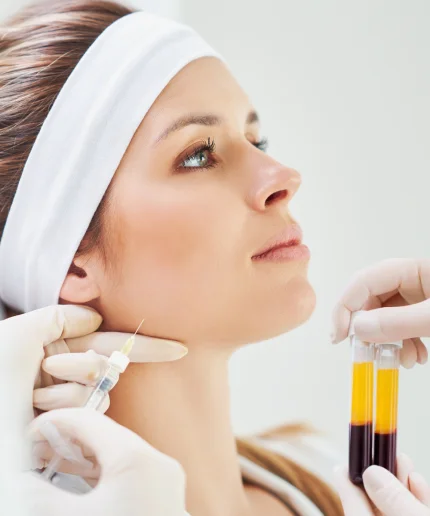
PlasmaLifting
Price range: 175,00 € through 450,00 €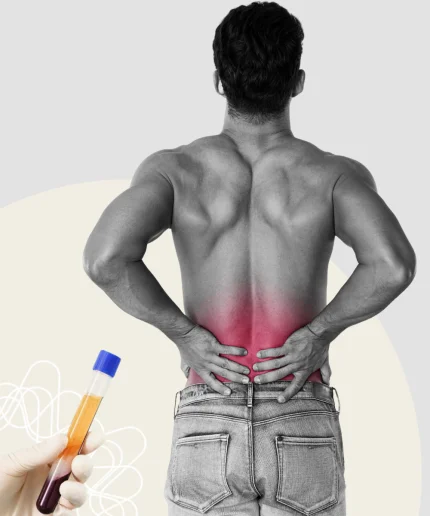
Plasma Therapy for Pain and Inflammation
175,00 €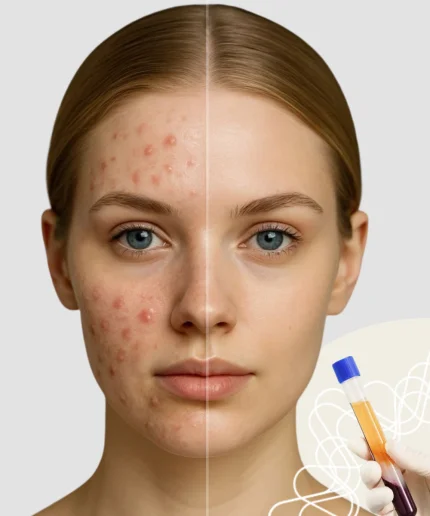
PRP Therapy for Acne
175,00 €
Plasma Therapy for Scars
175,00 €What plasma therapy is and how it works
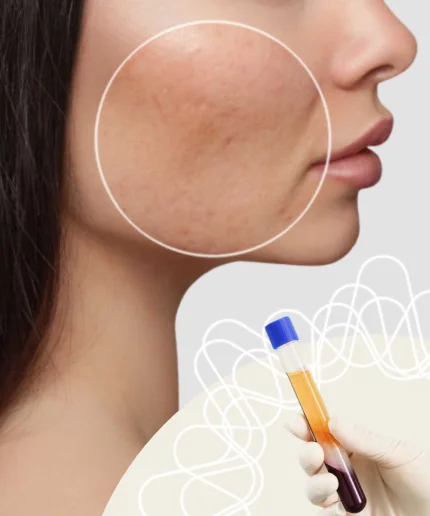
A small amount of blood is drawn from a vein and spun in a centrifuge to separate plasma rich in platelets, which release growth factors involved in tissue repair and collagen formation. The plasma is injected under the skin with fine needles or applied during microneedling.
Because it comes from the patient's own blood, the plasma contains no foreign substances. The effect develops gradually and depends on health, age and the area. In PlasmaLifting, the plasma is heated in a controlled way until it becomes a gel, which is injected under the skin as a body-derived filler, for example in the cheeks or nasolabial folds.
Plasma treatments at Melior Clinics
- Plasma therapy – face, neck, décolleté and hands
- PlasmaLifting – plasma gel
- PRP RICH eye therapy
- Plasma therapy for hair – thinning hair
- Plasma therapy for scars – acne, surgical and injury scars, stretch marks
- PRP therapy for acne – face or back
- PRP for intimate areas – carried out by a trained midwife
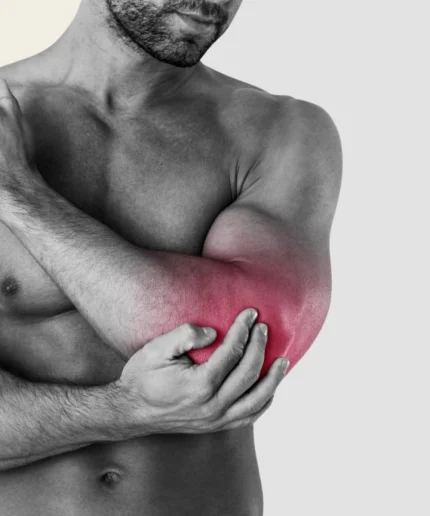
- Plasma therapy for pain and inflammation – shoulders, knees, back
- Prices are listed in the price list
What the treatment involves
A consultation comes first, covering health, medication and goals. Plenty of water the day before and no alcohol or fatty food for 24 hours help plasma quality. Blood thinners are mentioned in advance; with a fever or a cold the treatment is postponed.
A session usually takes 45–60 minutes (30–45 for the intimate area). Numbing cream or local anaesthetic is used if needed. Course length depends on the area: for the face and scars usually 2–3 sessions 3–4 weeks apart, for hair 3–4 sessions 4 weeks apart. PlasmaLifting is often done once and repeated after 6–12 months.
When PRP is not suitable
- pregnancy and breastfeeding;
- acute infection, fever or a flare of a serious chronic illness;
- active inflammation or broken skin in the area (for example herpes);
- blood disorders, clotting disorders or anticoagulant use;
- autoimmune diseases;
- active cancer or ongoing cancer treatment.
The final decision is made by the specialist at the consultation.
After the treatment
Redness, mild swelling and small bruises may appear at the injection sites and usually fade within 1–3 days. The usual recommendations are:
- no make-up on the treated area for 24 hours;
- no exercise, sauna or alcohol for 48 hours;
- SPF 50 sun protection for a week;
- after scalp treatment, no hair washing for 12–24 hours;
- after intimate treatment, no intercourse for 48 hours and no sauna, bath or pool for 3 days.
Frequently asked questions
How long does PRP last?
After a course of facial plasma therapy the effect usually lasts 4–6 months, after PlasmaLifting often 6–12 months, depending on skin condition and lifestyle. Maintenance sessions are often done once or twice a year.
Does a PRP facial hurt?
Most patients describe mild stinging and pricking; the eye area and scalp are more sensitive, and numbing cream is used there if needed.
When can results be seen?
First changes on the face are often noticed within 1–2 weeks, and with hair after 4–6 weeks; the effect builds over the course.
Is PRP used for hair loss?
Yes, PRP is used for thinning hair, for example after childbirth or a stressful period, to support blood supply to the follicles. Results vary with how many follicles are still active, and the cause of hair loss should be clarified first.
The service is provided by Melior Clinics (Star Company OÜ, Estonian Health Board (Terviseamet) licence L04198), Liivalaia 53, Tallinn, Stockmann department store, 5th floor.