Hydration & Recovery IV Therapy
170,00 €
You can pay for our services with Stebby
Hydration & Recovery IV Therapy
Fast recovery. Better wellbeing. More energy.
Do you feel tired, exhausted, or simply “drained”? The Hydration & Recovery IV drip is specifically designed to support recovery – whether after exercise, illness, excessive alcohol, a stressful period, or hot weather. This infusion helps restore fluid balance, reduce fatigue, and bring back a sense of vitality and wellbeing.
When to use it?
- After celebrations and alcohol consumption
- Following physical activity or workouts
- After viral illnesses, fever, or digestive issues
- In cases of fatigue, headaches, or muscle pain
- As prevention – to strengthen the immune system and avoid burnout
How does it work?
The infusion delivers essential fluids and nutrients directly into the bloodstream – exactly where they are needed the most. This ensures faster absorption and more effective recovery compared to oral supplements.
Ingredients
Vitamin C – supports the immune system and speeds up recovery
Vitamin B12 – helps boost energy levels and supports the nervous system
B-complex vitamins – assist in converting nutrients into energy
Magnesium – relaxes muscles and improves sleep quality
Duration
60 minutes
Results
- Fast recovery and a refreshed feeling
- Reduced muscle tension and headaches
- Balanced fluid and electrolyte levels
- Effective support for immunity and energy
Contraindications
- Heart and kidney failure
- Allergy to any component
- Hyperhydration (fluid retention)
- Acute illnesses with fever
What is infusion therapy and why is it used?
Infusion therapy is a modern method where vitamins, minerals, and other essential nutrients are administered intravenously, bypassing the digestive system. This ensures rapid and complete absorption, providing the body with immediate and profound support.
While oral vitamins depend on digestion for absorption, infusion therapy guarantees maximum bioavailability. This means the body receives everything it needs right away, exactly when and where it is most required.
How is infusion therapy used in modern medicine?
– To strengthen the immune system during flu season or after illness
– For recovery from fatigue, exhaustion, or stress
– To prevent skin problems and slow aging – e.g. antioxidant-rich drips
– For liver and full-body detox after celebrations, medication courses, or lifestyle changes
– For athletes and active individuals – faster recovery
– To correct vitamin deficiencies when diet is insufficient or digestion is impaired
– As supportive therapy for chronic conditions, upon doctor’s recommendation
Infusion therapy does not replace a healthy lifestyle, but it is a powerful complement for recovery, prevention, and overall well-being.
| Area |
Body |
|---|---|
| Treatment time |
60-75 min |
Before the procedure
- Be well-rested — although the procedure helps with recovery, it is recommended to come in a relaxed state rather than immediately after intense exertion.
- Avoid alcohol for at least 6 hours before the infusion, unless the procedure is specifically intended to relieve a hangover.
- Drink enough water — while the infusion restores fluid balance, prior hydration helps the body cope better.
- There is no need to come on an empty stomach — a light meal before the procedure is recommended.
After the procedure
- Rest if you feel slightly tired or drowsy.
- Monitor your wellbeing — mild dizziness or thirst may occur, but these symptoms pass quickly.
- Drink water — it helps the body absorb the infusion components more effectively and supports detoxification.
- Avoid alcohol and excessive physical exertion for at least 12 hours after the procedure to allow full recovery.
Questions? Our specialists will answer
Yes, infusion therapy is safe when performed under the supervision of a qualified professional and tailored to your health status. At our clinic: – We check blood pressure, pulse, and overall condition before the session. – If needed, we review past illnesses, medications, and possible contraindications. – Infusion mixes are prepared on site to ensure precise composition and quality. – A specialist stays with you throughout the session to keep you comfortable and safe. As with any supportive therapy, minor side effects are rare — e.g., redness at the cannula site, mild fatigue, or a metallic taste. These usually pass quickly. If you have chronic conditions (e.g., renal or heart failure) or are pregnant, please consult our specialist in advance to ensure maximum safety and the right plan.
Most people feel only a brief pinch when the IV cannula is inserted. It’s similar to a routine blood draw — a few seconds of mild discomfort. During the infusion: – The drip runs slowly and steadily. – Pain or discomfort is uncommon. – If you notice tingling, cold sensation, or pressure, tell the specialist immediately — we can adjust the rate or make changes. Many patients find the session relaxing and use the time to rest.
Frequency depends on your health, goals, and the chosen formulation. General guidelines: One-off boost or short course: after illness, periods of stress, or fatigue — often 1–2 sessions one week apart. Ongoing prevention & wellness support: every 2–4 weeks. Targeted course (e.g., for skin or energy): a personalized plan; commonly 3–4 consecutive sessions over 1–2 weeks, followed by a maintenance schedule.
Formulations are customized to your needs and safety limits. We use clinically validated doses to avoid overdosing or adverse effects. 🟢 Water-soluble vitamins (e.g., vitamin C, B-complex, folate): they don’t accumulate — excess is excreted in urine. Overdose is very rare and generally benign. 🟡 With higher amounts, temporary effects may include: – mild nausea; – diarrhea (especially with oral vitamin C); – rarely, headache or a warm sensation during infusion (we monitor and adjust to prevent this).
Usually no, if you’re generally healthy and seeking preventive or restorative support (e.g., skin benefits, immune support, fatigue, stress, recovery). We assess you on site — blood pressure, pulse, overall well-being, and medical history.
If you have: • chronic conditions (e.g., kidney/liver issues, diabetes); • previously diagnosed vitamin/mineral deficiencies or excesses; • suspected malabsorption; • a goal for a personalized course (e.g., precise C, B12, or D requirements). In such cases, we may suggest tests to craft a more precise and safer plan.
Related products
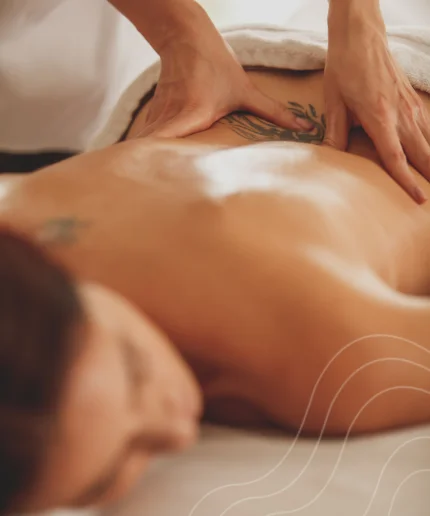
Classic Massage
Price range: 65,00 € through 80,00 €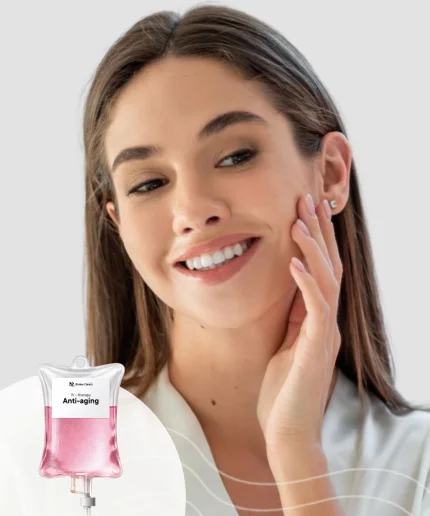
Anti-Aging Infusion Therapy (IV)
200,00 €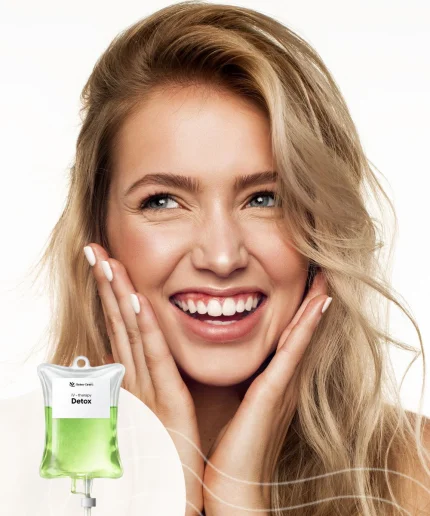
Detox Infusion Therapy (IV drip)
170,00 €

Melior Premium Beauty Package – 6 Months
Original price was: 8 000,00 €.5 000,00 €Current price is: 5 000,00 €.
Men’s Package – Freshness and Strength
Original price was: 1 800,00 €.1 200,00 €Current price is: 1 200,00 €.