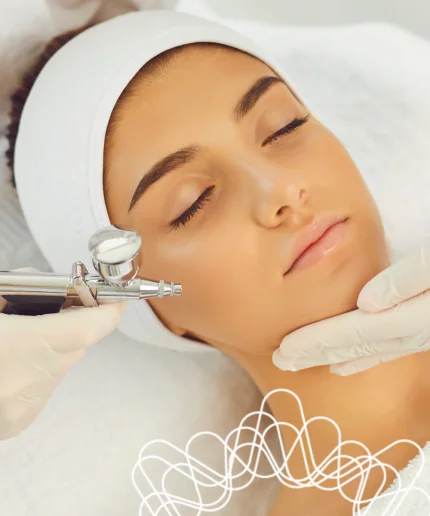
Plasma Therapy for Pain and Inflammation
175,00 €
You can pay for our services with Stebby
Plasma Therapy for Pain and Inflammation – Natural Support for Recovery
Do you suffer from persistent joint or muscle pain, inflammation, or slow-healing injuries?
If you wish to avoid strong medications but still provide effective support to your body, PRP (Platelet-Rich Plasma) could be a natural and scientifically proven solution.
What is PRP therapy?
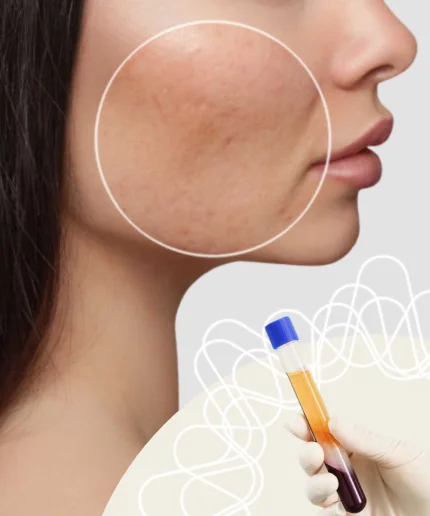
Platelet-Rich Plasma (PRP) therapy uses your own blood plasma, rich in growth factors, proteins, and anti-inflammatory compounds. It is injected precisely into the painful or damaged area to stimulate your body’s natural healing response.
What conditions is it used for?
- Inflammation in the knee, elbow, or shoulder joints (e.g., tennis or golfer’s elbow)
- Tendonitis (e.g., Achilles tendon inflammation)
- Muscle tears and strains
- Microtears in ligaments
- Early osteoarthritis caused by joint wear
- Post-traumatic recovery
Advantages of PRP therapy
- ✔️ Natural – only your own blood is used
- ✔️ Reduces inflammation and pain without medication
- ✔️ Accelerates healing and tissue regeneration
- ✔️ Suitable for those avoiding cortisone or painkillers
- ✔️ Low risk – no foreign substances are introduced
How does the procedure work?
- Blood collection (10–20 ml)
- Plasma separation in a centrifuge
- Injection into the affected area
- The entire procedure takes about 45 minutes
How many sessions are needed?
Typically, 2–3 sessions are recommended at 2–4 week intervals. Results may appear within a few days to a few weeks depending on the severity of the condition and your body’s healing capacity.
When is the procedure not recommended?
- During acute infections or fever
- If you have blood clotting disorders or are on anticoagulants
- During pregnancy or breastfeeding
- In active phases of cancer or severe chronic illness
- If allergic to local anesthetics (if used)
| Concern |
Inflammation ,Pain ,Recovery |
|---|---|
| Area |
Back ,Knees ,Shoulders |
| Treatment time |
30-60 min |
Before the procedure
- Drink plenty of water — at least 1.5–2 liters the day before and on the day of the procedure to ensure good plasma quality.
- Avoid alcohol and fatty foods for 24 hours before the procedure — they may affect blood composition and reduce plasma quality.
- Do not drink coffee on the morning of the procedure — it may affect blood pressure and make blood collection more difficult.
- Avoid blood-thinning medications (e.g., aspirin) at least 3 days before the procedure, unless otherwise advised by your doctor.
After the procedure
- Avoid physical exertion and sports for 24–48 hours — this helps prevent complications and supports recovery.
- Do not apply cold compresses or heat therapy to the treated area for at least 24 hours.
- Avoid alcohol and smoking on the first day after the procedure — they can slow down the healing process.
- Monitor your condition and signs of inflammation — mild swelling and redness are normal, but in case of severe pain or fever, contact your specialist.
Questions? Our specialists will answer
Usually, discomfort is minimal. Local anesthesia is used if necessary.
For some clients, within a few days, for others, it may last 1–3 weeks. It is a natural process and depends on the body’s ability to heal.
In some cases, it helps avoid or delay surgical intervention, especially in early-stage issues.
Most patients can resume normal activity the same day, but intense workouts are not recommended for 48 hours.
Yes — especially if the pain is associated with inflammation or slow-healing injury.
Related products
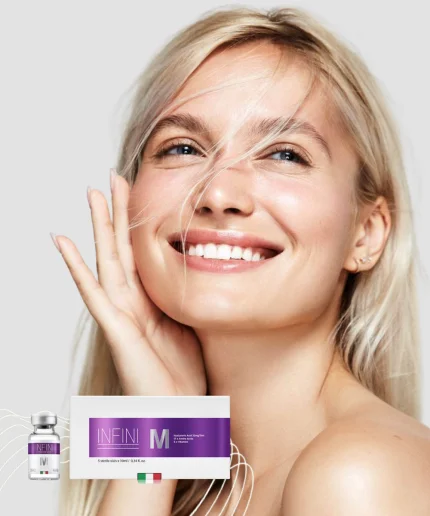
Mesotherapy Infini Premium Meso M
150,00 €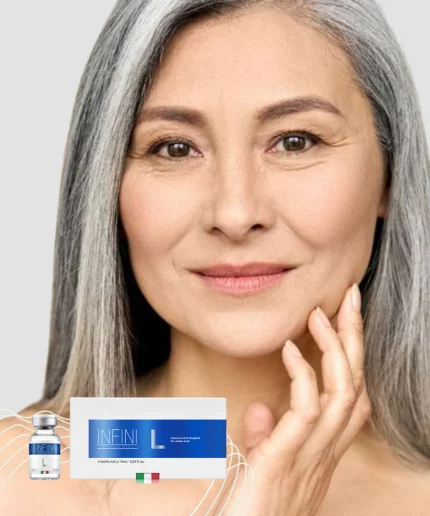
Mesotherapy Infini L Premium Meso
150,00 €
Mesotherapy NCTF 135 HA
170,00 €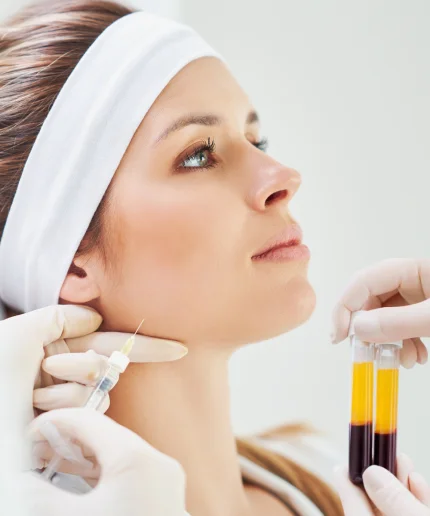
PlasmaLifting
Price range: 175,00 € through 450,00 €
Double Chin Lipolysis
Price range: 80,00 € through 140,00 €
Botox treatment for hyperhidrosis
Price range: 450,00 € through 600,00 €
Biorevitalization with RRS® Hyalift® 75
200,00 €